Research overview
Effective neonatal resuscitation depends on delivering timely, high-quality breaths using positive pressure ventilation to help babies establish breathing and prevent serious complications such as brain injury or death (1). However, achieving a good mask seal and consistent ventilation can be difficult, even for experienced clinicians. Early and accurate heart rate assessment is essential to guide resuscitation decisions, particularly whether ventilation is required and whether it is effective, but commonly used methods such as listening with a stethoscope or using pulse oximetry can be slow and unreliable immediately after birth. In addition, visual distraction during resuscitation has been shown to contribute to poor ventilation performance.
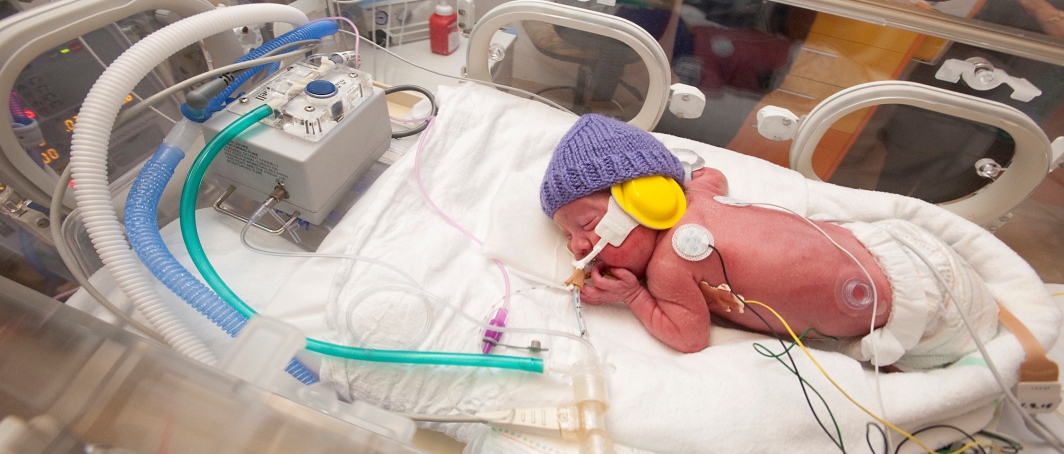
Neobeat (figure 1) is an electrocardiography device that provides rapid and continuous heart rate monitoring when applied to the infant’s chest. This may also improve clinician situational awareness and behaviour by shifting visual attention toward critical tasks such as airway management and mask seal.


Figure 1. Neobeat Dry electrode ECG in use
This study will evaluate the impact of Neobeat on both ventilation performance and visual attention during neonatal resuscitation. We will conduct a simulation-based, randomised two-period crossover study involving neonatal first responders, including doctors, midwives, and nurses, across the Child and Adolescent Health Service in WA.
Participants will complete two standardised resuscitation scenarios, one using Neobeat and one using standard care in a randomised order. Ventilation performance will be measured using the Juno respiratory function monitor, providing objective breath-by-breath data, while visual attention will be assessed using wearable eye-tracking technology (see figure 2).


Figure 2. Tobii 3.0 advanced wearable eye tracking glasses.
The primary outcome will be mask leak during the first 60 seconds of positive pressure ventilation. This study will provide novel insights into how monitoring technology influences both technical performance and human factors, informing safer implementation of emerging technologies in neonatal care.
Project researchers
Dr Alexander Wilson
Funders
Women and Infants Research Foundation
Project timeline
2025 – 2026