Research overview
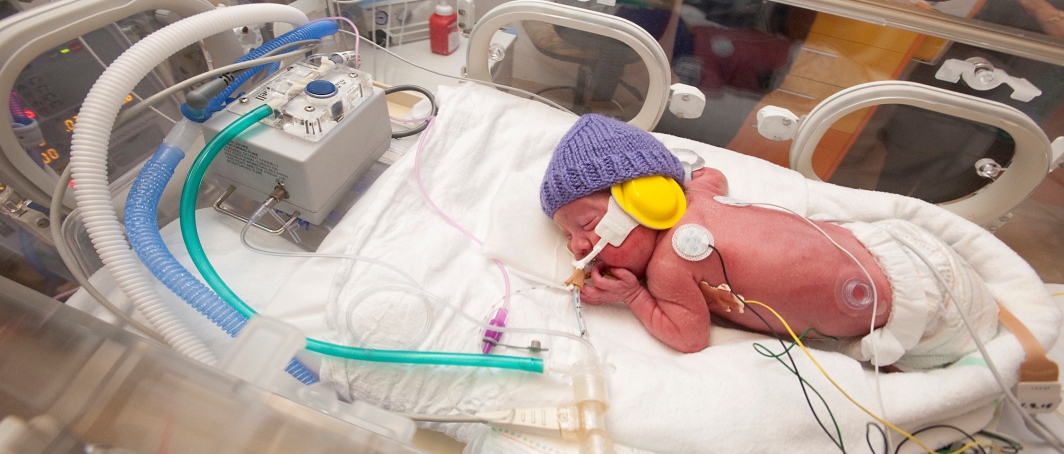
Neonatal transport is an essential aspect of perinatal care. In Western Australia ~34,000 babies are born every year, 1,300 of which (3% of all births) require emergency transport for care they cannot receive closer to home. These infants are the most vulnerable to poor outcomes, compared to those born in centres providing higher level care. Survivors face increased risk of lifelong developmental disability, chronic lung problems, and lifelong health and educational support. The central aim of this project is to improve the safety of neonatal transport for highly vulnerable newborn infants. The team will do this by establishing a large animal model, a first of its kind, to generate highly translatable evidence on medical transport safety. Globally, neonatal transport is common. It is estimated that 3 million babies worldwide need postnatal transfer each year for appropriate care. Despite this, transport remains one of the least studied exposures in neonatal medicine.
Current clinical practice assumes that newborn physiology during transport is the same than in a ‘static’ NICU. This assumption underpins transport management worldwide and has never been tested. During transport, newborns often within hours of birth are exposed to vibration, movement, noise, light, and temperature variability at a time of extreme biological vulnerability. There is no biological understanding of how these exposures impact the immature brain and lungs, to influence disease onset or progression.
Without this basic understanding, infants born in rural, remote, and resource‑limited settings who are more likely to require transport are disproportionately exposed to transport‑related injury. In WA, Aboriginal infants and families from regional areas are over‑represented among transported newborns, amplifying existing health inequities. In understanding the biological impact of transport, the team will create opportunities to improve disability‑free survival and improve lifelong outcomes for children and families throughout WA.
Project researchers
Dr Jonathan Davis
Funders
Women and Infants Research Foundation
Project timeline
2026 – 2027